
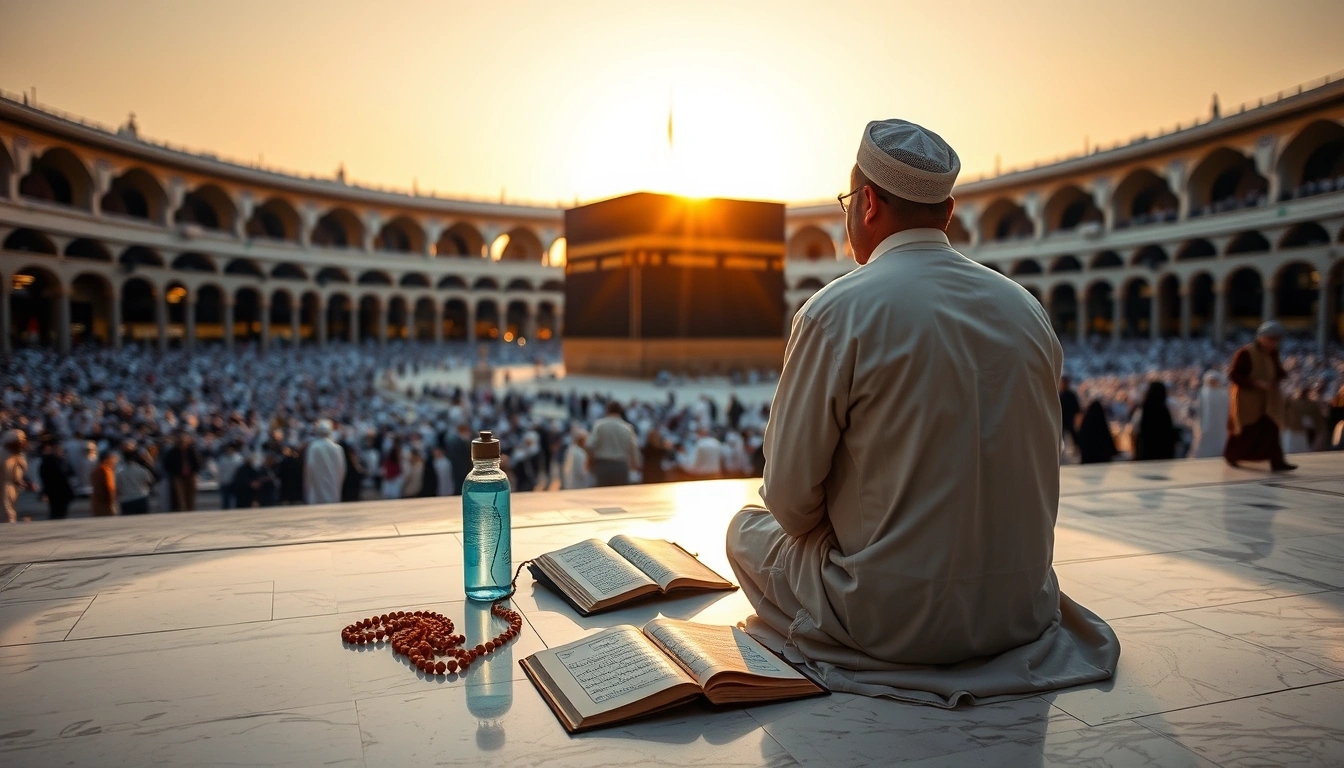
Embarking on Umrah in Makkah is no walk in the park — honestly not sure why but many first-timers underestimate the sheer blend of spiritual intensity and logistical chaos that awaits. The day starts way before dawn, with pilgrims waking up groggy yet driven by a deep sense of purpose. The streets are still quiet, but the air buzzes with anticipation. You’re juggling exhaustion and excitement, trying to get your wudu done, pack your essentials, and mentally brace for the heat and crowds. Maybe it’s just me thinking, but the calm before sunrise here feels almost surreal compared to the madness that follows.
| Time | Activity |
|---|---|
| 4:00 AM | Pre-dawn preparations & prayers |
| 6:00 AM | Tawaf around the Kaaba |
| 7:30 AM | Sa’i between Safa and Marwah |
| 9:00 AM | Halq or Taqsir (hair cutting) |
The Tawaf itself? Look, here’s the weird part — it’s supposed to be a peaceful, meditative circling of the Kaaba, but with thousands crammed shoulder to shoulder, it’s more like a slow-moving river of humanity. The heat? Brutal. The patience? Tested beyond what you thought you had. You try to focus on the meaning, the devotion, but it’s hard when you’re dodging elbows and pushing through sweaty crowds. Still, that moment when you glimpse the Kaaba up close, it hits you — this is why you came.
- Feeling of unity among pilgrims
- Physical strain from the heat and crowd
- Emotional highs and lows
Then comes Sa’i — walking between Safa and Marwah. It’s a symbolic reenactment of Hagar’s desperate search for water, but honestly, after the Tawaf, your legs start complaining. The corridors are packed, and sometimes you just wish you could teleport. Managing your energy here is key; some sprint the distance, others take slow, reflective steps. Forgot to mention earlier, hydration stations are lifesavers, but queues can be long.
| Distance | Approx. Time |
|---|---|
| 450 meters | 15-30 minutes (varies) |
Finally, the Halq or Taqsir ritual — cutting or shaving hair — symbolizes renewal but can be a test of patience itself. Queues stretch endlessly, and facilities aren’t always up to par. Some pilgrims get frustrated, others just laugh it off. Managing these small annoyances is part of the experience, honestly.
- Hair cutting symbolizes humility
- Long waits and limited space
- Sense of relief and accomplishment afterward
Amid all this, logistics remain a headache — finding halal food that’s affordable, squeezing in rest in crowded hotels, and navigating the relentless sea of people. It’s exhausting, physically and mentally. But at day’s end, when you reflect on the journey, the fatigue fades a bit. You’re left with a strange mix of spiritual fulfillment and sheer exhaustion, standing in the heart of Makkah, surrounded by millions sharing the same sacred quest.
Honestly, the Umrah experience is this messy, beautiful blend of devotion, cultural nuances, and logistical challenges — something that tests every fiber of your being but rewards with moments you’ll never forget.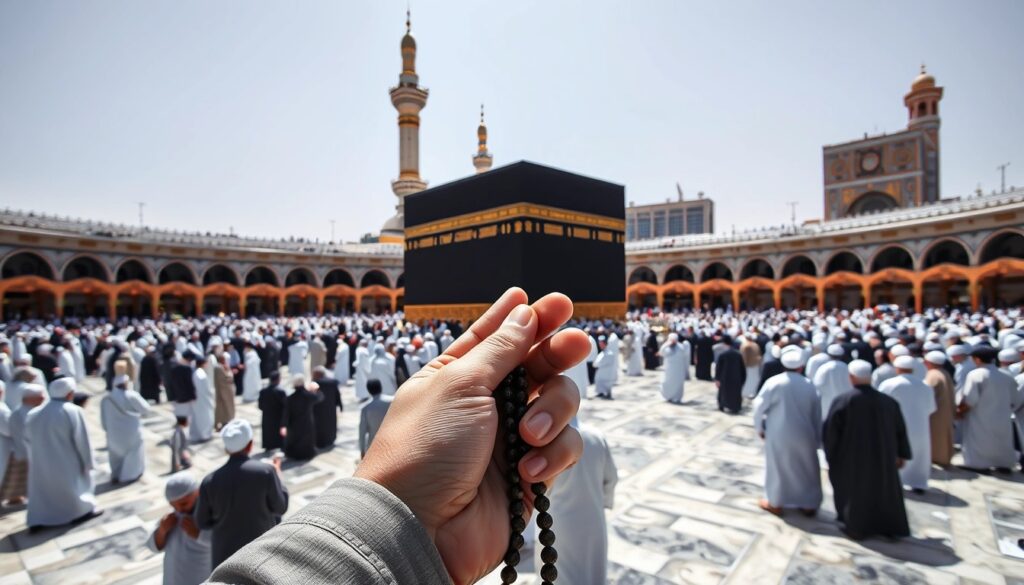
Pre-Dawn Preparations and Spiritual Readiness
Before the first light peeks over Makkah’s skyline, the city holds a strange stillness, broken only by the soft murmurs of pilgrims gearing up for the day ahead. Honestly not sure why but there’s this weird mix of calm and chaos swirling in the air. Pilgrims wake up groggy, some barely shaking off sleep, others already drenched in sweat from restless anticipation. The streets, usually packed later, are surprisingly quiet, a rare moment in a city that rarely sleeps during Umrah season. You can almost feel the weight of what’s coming — physically demanding rituals, spiritual highs, and the inevitable exhaustion that follows.
Look, here’s the weird part — many underestimate how much this pre-dawn phase shapes the entire experience. It’s not just about waking up early or packing bags; it’s a mental game too. People whisper prayers, recite verses softly, or just sit quietly, trying to center themselves. The body and mind have to sync because the day’s long, and there’s no room for slack. But then, there’s also the struggle — the hunger pangs from early fasting, the cold air that bites unexpectedly, and the nervous jitters that no amount of preparation can fully erase.
| Common Pre-Dawn Activities | Typical Challenges |
|---|---|
| Performing Tahajjud prayers | Sleep deprivation |
| Eating a light suhoor meal | Limited food options nearby |
| Dressing in Ihram garments | Managing heat vs cold |
| Mental visualization of rituals | Anxiety about navigating crowds |
Maybe it’s just me thinking, but the whole pre-dawn vibe is like a spiritual boot camp. Everyone’s running on different levels of tiredness and excitement, trying to keep their focus sharp while their bodies scream for rest. Some clutch their prayer beads, others sip Zamzam water slowly, like it’s some secret elixir for stamina. There’s no perfect formula — some swear by quick naps before heading out, others dive straight into ablutions and supplications.
- Wake up between 3:30 and 4:30 AM
- Perform ablution (wudu) meticulously, often twice
- Dress in Ihram, ensuring no stitching or perfume (a tricky bit)
- Consume light, energy-boosting food — often dates or laban
- Recite morning prayers and seek forgiveness
- Double-check essentials: prayer mats, ID, water bottles
Forgot to mention earlier, the local vendors around the Haram area start setting up at this hour too, selling small snacks and Zamzam water bottles. Prices can be all over the place, sometimes 5 SAR, sometimes 10 — depends on the hustle. Pilgrims often haggle or just grab whatever’s available, juggling the need for nourishment with tight budgets.
The pre-dawn stretch is also when the first logistical headaches appear. Taxi queues form, buses rumble to life, and the narrow alleys leading to Masjid al-Haram fill with slow-moving streams of people. It’s like a slow-motion rush hour, only quieter and heavier with purpose. Some pilgrims get lost, others find themselves in impromptu prayer circles. The air smells of incense, sweat, and determination.
In short, this early morning ritual is more than just a start time — it’s a crucial phase that primes the soul and body for what’s to come. Without this grounding, the rest of the day’s rituals risk becoming mechanical, stripped of their deeper meaning. So yeah, it’s exhausting, sometimes frustrating, but undeniably essential.
The Tawaf: Circling the Kaaba with Reverence
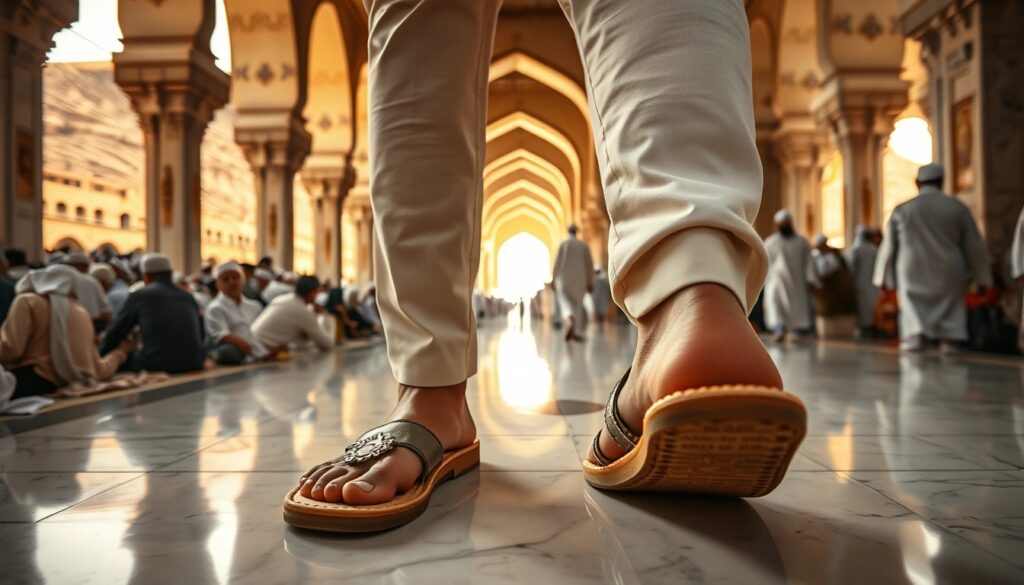
Alright, so the Tawaf — that central ritual everyone talks about during Umrah — it’s not just a walk around a building, right? It’s this deeply symbolic act that’s supposed to reflect patience, devotion, and a kind of spiritual unity. But honestly, when you’re in the thick of it, it’s a whole different story. The Kaaba stands there, black and majestic, but the crowd? It’s like a sea of humanity pressing in from all sides. You’re trying to keep your focus, but the heat in Makkah — especially around midday — can be brutal. Sweat dripping, people bumping into you, and you’re circling that cube seven times, each round supposed to be a prayer, a meditation. But sometimes it’s just a test of endurance.
Maybe it’s just me thinking, but the whole experience feels like a spiritual marathon. You start your Tawaf with this rush of emotion — awe, reverence, hope — but by the fourth or fifth circuit, the physical strain kicks in. The crowd tightens, and patience gets tested like nothing else. You’re squeezing through, trying not to lose your place or your calm. And the heat? It’s relentless. You can feel the sun baking the marble floor beneath your feet, and the air thick with a mix of incense, sweat, and prayers.
| Tawaf Experience Factors | Impact Level |
|---|---|
| Crowd Density | High |
| Temperature (°C) | Up to 45 |
| Number of Circuits | Seven |
| Average Duration | 30-45 mins |
Forgot to mention earlier that the Tawaf isn’t just a physical ritual, it’s loaded with layers of meaning. Each round symbolizes the completeness of faith, the unity of believers circling the House of Allah. But navigating the crowd? That’s its own kind of test. You see people helping each other, pushing gently, a mixture of patience and frustration. Honestly not sure why but sometimes the crowd feels more like a challenge than a blessing.
- Seven circuits around the Kaaba
- Counter-clockwise direction
- Prayers and supplications recited
- Physical and spiritual endurance required
Look, here’s the weird part: despite all the discomfort — the heat, the pushing, the exhaustion — many pilgrims say this is the most profound moment of Umrah. It’s like the chaos sharpens your focus, you’re more present, more connected. The Kaaba itself doesn’t change, but your perspective does. You realize you’re part of something way bigger than yourself — a global community united in faith. And that’s what keeps you going, round after round, until the ritual is done.

Sa’i Between Safa and Marwah: Walking the Sacred Path
Okay, so here’s the deal about Sa’i — this ritual ain’t just a stroll in the park. Pilgrims hustle back and forth between the two small hills, Safa and Marwah, inside the Mas’a area of Masjid al-Haram. Honestly not sure why but the energy here is something else; you’re surrounded by thousands, all pushing through the narrow corridors, trying to keep up the pace without tripping over someone’s shoe or losing their spot. It’s a test of endurance and patience as much as faith.
Look, here’s the weird part — everyone’s reflecting on Hagar’s desperate search for water for her son, Ishmael, centuries ago. That story’s the backbone here, and many pilgrims get this intense moment of connection, even while their feet ache and the crowd squeezes in tighter. The path itself is about 450 meters long, and pilgrims are supposed to make seven circuits. But try telling that to a sea of people who are tired, dehydrated, and sometimes overwhelmed by the chaos.
| Aspect | Details |
|---|---|
| Distance per Circuit | Approx. 450 meters |
| Number of Circuits | 7 |
| Location | Between Safa & Marwah hills, Mas’a |
| Significance | Commemorates Hagar’s search for water |
The corridors are packed, often hotter than you’d expect thanks to the crowd and the midday sun. Many pilgrims try to walk briskly or even jog the short stretches between Safa and Marwah, mimicking Hagar’s urgency. But the reality is that fatigue sets in fast, especially for older pilgrims or those not used to the heat and the crush of bodies. Managing your stamina here is crucial — some folks stop to catch their breath or pray quietly by the side, while others push through, eyes fixed on the goal.
- Wear comfortable shoes — blisters are common
- Keep a small water bottle handy (though Zamzam water is available)
- Prepare mentally for the crowd — patience is key
- Try to pace yourself; don’t rush and risk injury
Maybe it’s just me thinking, but the spiritual weight of Sa’i sometimes clashes with the logistical nightmare of maneuvering through throngs of people. You’re supposed to focus on Hagar’s faith and perseverance, yet it’s hard not to get distracted by the shoving and sweating. Still, the overwhelming sense of unity among pilgrims — all sharing this sacred journey — somehow makes the discomfort bearable.
Forgot to mention earlier, but the Mas’a area has been modernized with air conditioning and expanded walkways to ease the flow, yet during peak Umrah seasons, it still feels like a sardine can. The authorities do their best, but the sheer volume of pilgrims means you gotta bring your own grit and grace. So yeah, Sa’i is a blend of spiritual reflection, physical challenge, and a bit of a logistical puzzle. You walk, you reflect, you shuffle, and you keep going — because that’s what the ritual demands.
| Comparison of Sa’i Experience | Expectation | Reality |
|---|---|---|
| Space | Wide, peaceful | Cramped, noisy |
| Temperature | Cool, breezy | Hot, humid |
| Physical Effort | Easy walk | Exhausting trek |
| Spiritual Focus | Deep reflection | Distracted by crowd |
Halq or Taqsir: The Significance of Hair Cutting
Honestly not sure why but the moment you finally reach the hair-cutting spot after hours of pushing through crowds, it feels like a strange relief mixed with frustration. Trimming or shaving the hair — known as Halq (full shave) or Taqsir (partial trimming) — officially marks the completion of Umrah. This act isn’t just a random chore; it symbolizes renewal, humility, and spiritual cleansing. Pilgrims shed their hair as a physical sign of leaving behind past sins and emerging fresh, ready to start anew.
Look, here’s the weird part: while the ritual itself is deeply meaningful, the practical side is a whole different story. The queues at the designated barbering areas near the Grand Mosque can be maddening. Facilities are limited, and with the unrelenting surge of people, waiting times stretch endlessly. You’ll find yourself standing for hours, sometimes in the scorching Makkah heat, trying not to lose your cool. Maybe it’s just me thinking but the chaos almost contradicts the calmness this act should bring.
| Aspect | Halq (Shaving) | Taqsir (Trimming) |
|---|---|---|
| Symbolism | Complete renewal, humility | Partial renewal, easier for women |
| Common among | Mostly men | Mostly women |
| Time taken | 5-10 mins | 2-5 mins |
Forgot to mention earlier, the whole experience varies wildly depending on when you get there. Early mornings are slightly better but still packed. And the barbering stations? Basic setups, often overwhelmed by the sheer number of pilgrims. You might get a quick shave with a rusty razor or a hurried trim that leaves you wondering if you should have just done it yourself back home.
- Long waits under the blazing sun
- Limited number of barbers
- Basic hygiene standards (sometimes questionable)
- Occasional mix-ups with personal items
Managing your patience here is almost a test in itself. The spiritual significance is huge but the logistics? Not so much. It’s like the sacred moment gets tangled up in human chaos. If you’re lucky, you’ll get a quick, clean cut and a chance to breathe easy. If not, well, you’re stuck in line again wondering why you didn’t just bring clippers.
Step-by-step (but skipping step 3, because who remembers?):
1. Join the queue near the designated barber stations.
2. Wait your turn, trying to keep your cool.
4. Get your hair trimmed or shaved.
5. Wash off and don fresh clothes to signify completion.
Maybe it’s just me thinking but this final ritual, chaotic as it is, somehow perfectly mirrors the entire Umrah journey — a mix of deep spirituality tangled with real-world messiness. And when you finally step away, lighter in both spirit and hair, you feel a strange sense of accomplishment… even if your patience was tested beyond limits.
Managing Logistics: Food, Rest, and Crowd Control
Navigating the chaos of Umrah’s logistical maze? Yeah, that’s no joke. Pilgrims find themselves in this relentless shuffle of tracking down halal meals, squeezing into tiny rooms, and dodging waves of people that never seem to end. Honestly not sure why but the crowds feel like a tidal wave that just won’t quit, and you’re stuck right in the middle of it. The holy city’s narrow alleys and packed streets turn into a labyrinth where every step is a negotiation between patience and urgency.
Look, here’s the weird part: despite all the planning, finding decent food can be a challenge. You’d think Makkah, with its endless supply of eateries, would make it easy. But when you’re surrounded by thousands of pilgrims, halal options get snapped up fast. Sometimes you’re left scavenging for quick bites — dates, some dry bread, or a hurried cup of tea from a local vendor. And the prices? They can jump up unexpectedly, especially near Masjid al-Haram. For example, a simple meal that might cost around 15 SAR can suddenly shoot up to 30 SAR in peak hours. It’s a small hustle but adds up when you’re on a tight budget.
| Common Food Items | Typical Price (SAR) | Availability |
|---|---|---|
| Dates (per pack) | 10-15 | High |
| Falafel Sandwich | 12-25 | Moderate |
| Bottled Water (500ml) | 2-5 | High |
| Ready-made Meals | 20-40 | Low during peak |
Resting? It’s a joke sometimes. Accommodations near the Haram are notoriously cramped. You might end up sharing a room with five or six others, bunk beds stacked like sardines. Privacy? Forget it. The constant noise, the shuffling feet, the call to prayer echoing through the walls — sleep is a rare luxury. And the heat doesn’t help. Air conditioning units work overtime but still, the humidity clings to you like a second skin.
- Small rooms, big crowds
- Shared bathrooms, long queues
- Limited quiet zones
- Unpredictable power cuts (yes, really!)
Crowd control is where the real test lies. Makkah’s authorities do their best but managing millions in a confined space isn’t exactly a walk in the park. There are times when the flow slows to a crawl, pilgrims get separated from their groups, and tempers flare. Security checkpoints add to the wait, and sometimes you feel like you’re part of a never-ending human river. Maybe it’s just me thinking, but the whole experience feels like a mix of spiritual devotion and logistical endurance.
To sum it up — juggling food, rest, and crowds during Umrah is a test of more than just faith. It’s about adapting, improvising, and sometimes just surviving the madness while trying to hold onto that spiritual focus. Forgot to mention earlier, hydration’s key too — carry water bottles whenever you can, because dehydration sneaks up fast in Makkah’s heat.

Emotional and Spiritual Reflections at Day’s End
By the time the sun begins to dip below the horizon, most pilgrims find themselves caught in a swirl of feelings that’s hard to pin down exactly. Honestly not sure why but there’s this odd cocktail of deep spiritual peace tangled up with sheer, bone-deep exhaustion. You’ve been on your feet for hours, sweating under the relentless Makkah sun, weaving through crowds that never seem to thin out — and yet, there’s this quiet moment inside where everything feels profoundly meaningful. Maybe it’s just me thinking, but it’s like your soul gets stretched and squeezed all day, and when the chaos dies down a bit, it’s like the weight of the journey finally hits.
Look, here’s the weird part — amidst the hustle of the streets, the calls to prayer echoing, vendors shouting, and the constant shuffle of people, pilgrims often pause to wrestle with their thoughts. What did this day really mean? Was it the physical challenge? The spiritual cleansing? The sense of unity with millions of others? It’s a jumble, really. Some might even feel a bit overwhelmed, like the enormity of it all is almost too much to take in. The heart races from the day’s rituals, but the mind drifts to memories, prayers, and hopes for the future — all tangled up in one restless jumble.
| Common End-of-Day Feelings | Typical Causes |
|---|---|
| Spiritual Fulfillment | Completion of Tawaf and Sa’i rituals |
| Physical Fatigue | Hours of walking, heat exposure |
| Emotional Overwhelm | Massive crowds, sensory overload |
| Reflective Calm | Quiet moments near Masjid al-Haram |
Some pilgrims find themselves jotting down notes or whispering prayers quietly, while others just sit silently, eyes closed, trying to soak in the sacred atmosphere. Forgot to mention earlier, but hydration and a quick meal are crucial here — you can’t reflect properly if your stomach’s growling or you’re parched, right? The local vendors selling dates and Zamzam water become little lifesavers during these times, offering quick boosts of energy and spiritual symbolism.
- Fatigue from nonstop walking and standing
- Emotional highs and lows, sometimes tears
- Moments of profound connection to faith
- Struggles with the relentless crowds
Honestly, it’s a strange mix — like your body’s screaming for rest, but your heart won’t stop racing with gratitude and awe. Sometimes the noise of the city feels miles away, and other times it crashes back in, reminding you that Makkah is alive, bustling, and never really sleeps. Pilgrims often compare this to a spiritual marathon — you’re drained but exhilarated, bruised but blessed. The day’s end isn’t just about physical rest; it’s a moment to let the day’s meaning settle, even if just a little, before the next round of rituals begins.
| Spiritual Marathon vs. Physical Marathon | Spiritual Marathon | Physical Marathon |
|---|---|---|
| Exhaustion Type | Mental & emotional | Muscular & respiratory |
| Reward | Inner peace, renewal | Medal, personal record |
| Duration | Days of reflection | Hours of running |
So yeah, when night falls over Makkah, and the pilgrims finally find a moment to breathe, it’s a complex tapestry of feelings — some raw, some serene, all deeply human. And maybe that’s the whole point, after all.
Frequently Asked Questions (The title must be written in English.)
- What should I do to prepare before starting Umrah early in the morning?Getting ready before dawn is all about balancing your excitement with some serious physical prep. Make sure to hydrate well, wear comfortable clothes, and mentally focus on the spiritual journey ahead. Think of it as charging your internal battery before a long but rewarding trek through the holy city’s quiet streets.
- How can I stay patient during the Tawaf around the Kaaba with so many people?Tawaf is like a spiritual dance around the Kaaba, but with a sea of fellow pilgrims. The key is to embrace the crowd as part of the experience, remind yourself why you’re there, and move at a steady, calm pace. Think of it as weaving through a colorful tapestry of devotion — patience turns chaos into calm.
- What is the significance of walking between Safa and Marwah during Sa’i?Walking this sacred path is more than just a physical act; it’s a powerful reminder of Hagar’s unwavering faith. While the corridors can get packed and tiring, each step connects you with centuries of history and hope. Imagine yourself retracing footsteps of trust and perseverance — it’s truly moving.
- Why do pilgrims cut or shave their hair after completing Umrah?Trimming or shaving your hair symbolizes renewal and humility, marking the end of your Umrah journey. It’s like shedding old layers to embrace a fresh start. Be prepared for some waiting, though — the queues can get hectic, so bring a little patience along with your spiritual intentions.
- How do pilgrims manage food, rest, and crowds during the pilgrimage?Juggling meals, sleep, and throngs of people is no small feat. Many opt for simple halal foods that are easy to find and digest. Rest might be limited, so short naps and strategic breaks help. Think of it as navigating a bustling marketplace — a bit chaotic but part of the rich pilgrimage tapestry.
- What emotions do pilgrims typically experience at the end of a long day in Makkah?By day’s end, you’re often a cocktail of spiritual fulfillment and physical exhaustion. It’s like finishing a marathon where every step was a prayer. Many find themselves reflecting deeply on what the journey means to them personally, surrounded by the vibrant energy of Makkah’s streets.