
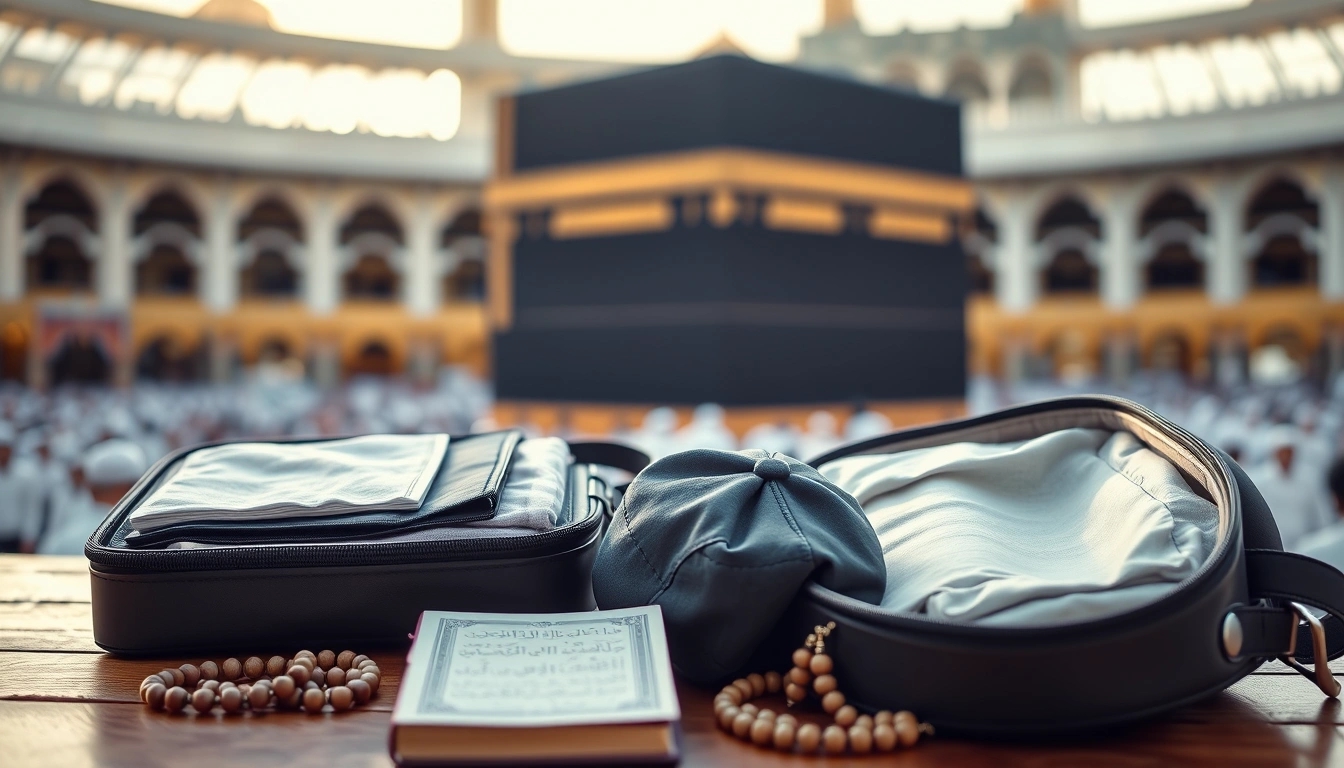
Navigating the nonstop hustle of Umrah in Makkah is no walk in the park — honestly not sure why but so many pilgrims underestimate how chaotic it gets. You’re juggling prayer times, crowds, and the blazing sun, all while trying not to lose your wallet or passport. Smart organization isn’t just a nice-to-have, it’s survival. Maybe it’s just me thinking, but keeping your essentials safe and within reach can save you from a world of headache and stress. Here’s a rundown of how to keep your stuff in check every single day, without losing your mind or your riyals.
- Understand your crowd: Pilgrims come from all corners — some with tight budgets, others with families, some solo travelers. Knowing your needs shapes your packing game.
- Pick the right bag: Not just any bag will do. You want something light, secure, and respectful of local norms — no flashy logos or oversized backpacks.
- Essentials only: Passports, small prayer mats, water bottles — but arranged so you can grab them without digging through a mess.
- Stick to a routine: Habits like always putting your wallet in the same pocket or emptying your bag nightly help avoid losing things.
- Stay alert: Pickpockets are real, especially near Masjid al-Haram. Keep your valuables zipped and close.
- Use tech and local help: Apps like “Makkah Smart” and trusted vendors can make your life easier.
| Bag Type | Pros | Cons |
|---|---|---|
| Crossbody pouch | Easy access, secure | Limited space |
| Small backpack | More storage, hands-free | Can get hot, bulky |
| Waist pouch | Discreet, close to body | Not always culturally accepted |
Look, here’s the weird part — many pilgrims cram everything into one big bag, then panic when they need something quick. Instead, try dividing your items in smaller compartments or use packing cubes. Trust me, it saves you from that frantic “where’s my ID?” moment. Also, don’t forget to hydrate — carry a reusable water bottle but keep it separate from your electronics.
- Keep copies of important documents in your hotel room.
- Use RFID-blocking wallets to prevent digital theft.
- Label your belongings with your contact info — just in case.
| Item | Recommended Storage |
|---|---|
| Passport | Inner zipped pocket |
| Prayer mat | Rolled in bag side |
| Water bottle | External holder |
Forgot to mention earlier — while you’re rushing between Tawaf and Sa’i, keep your phone on silent but accessible, and use a trusted local SIM card for emergencies. The last thing you want is scrambling to find Wi-Fi or losing contact with your group.
In the end, it’s about creating a system that works for you, not some perfect checklist. The crowds, the heat, the endless walking — they’ll wear you down if you’re not prepared. So plan smart, pack light, and keep your valuables close. Your peace of mind during Umrah depends on it.
Understanding the Umrah Audience’s Unique Needs
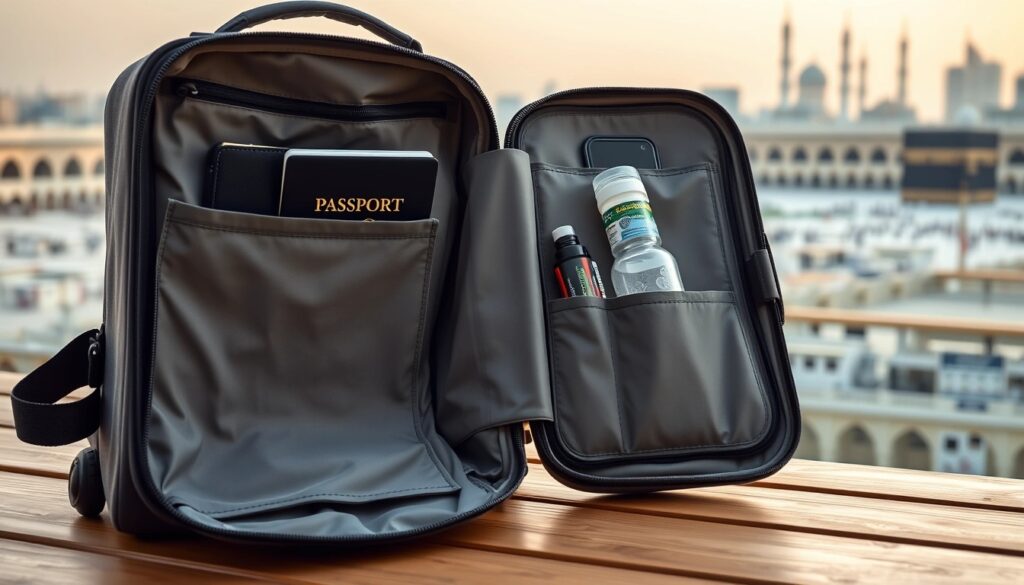
Look, the Umrah crowd isn’t some monolith, alright? Pilgrims come from all corners — from the bustling streets of Jakarta to the quiet towns of Asir — and each group brings its own set of quirks, budgets, and expectations. Honestly not sure why but many folks still try to pack like they’re going on a beach holiday, which is a total mismatch for the spiritual hustle in Makkah. You gotta get that your audience’s needs shape how you plan your packing and daily carry. Some travel light with just a small pouch, others haul bags bigger than a camel’s load — and both are valid, but they require different strategies.
- Family groups often juggle kids’ stuff plus prayer essentials, so they need compartmentalized bags.
- Solo travelers might prioritize security and mobility, favoring crossbody pouches or sleek backpacks.
- Budget pilgrims usually look for cost-effective gear but can’t compromise on durability — cheap bags that break mid-salah? No thanks.
You can’t just slap a one-size-fits-all advice on this crowd. Maybe it’s just me thinking, but understanding your fellow pilgrim’s habits — like when they like to rest, how often they drink Zamzam water, or how they handle their documents — can save you a world of trouble. For example, older pilgrims might prefer easy-access pockets for medicines, while younger ones might stash phones and power banks in hidden compartments.
| Pilgrim Type | Typical Needs | Packing Style |
|---|---|---|
| Family Groups | Extra clothes, snacks, kids’ toys | Large bags with multiple compartments |
| Solo Pilgrims | Security, quick access to documents | Compact, secure crossbody bags |
| Budget Travelers | Durability, affordability | Simple, sturdy backpacks |
| Elderly Pilgrims | Easy access to meds, lightweight | Small pouches, minimal weight |
Forgot to mention earlier, cultural habits also influence packing. Some pilgrims bring prayer rugs from home, others rely on mosque-provided mats — this affects what they carry daily. Plus, the climate in Makkah can be brutal — hot and dry — so hydration gear is a must but again, size and style vary widely.
Bullet points to think about:
– Varying budgets impact bag quality and quantity
– Different ages mean different mobility and access needs
– Cultural customs affect what personal items are considered essential
– Climate dictates hydration and clothing choices
Honestly, the key takeaway is, don’t assume your neighbor’s packing list fits your own. The Umrah audience is a patchwork of needs and habits, and recognizing that is step one to staying sane and organized during the pilgrimage. You gotta tailor your approach or risk losing stuff — or worse, missing out on the spiritual focus because you’re fumbling with your belongings.
Choosing the Right Bag: Practicality Meets Tradition
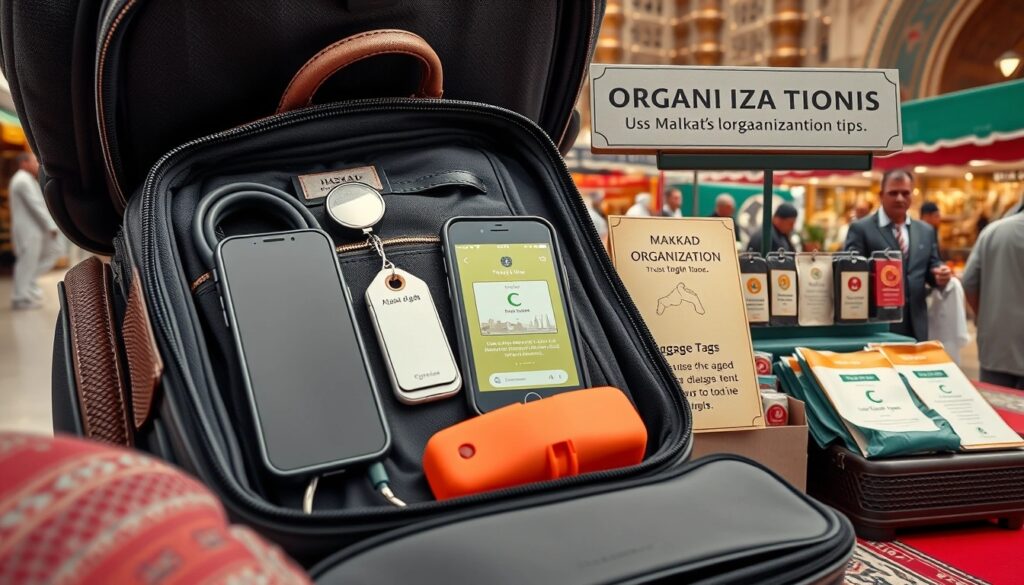
Alright, so picking a bag for Umrah in Makkah isn’t just about slinging any old backpack over your shoulder and calling it a day. Honestly not sure why but loads of folks underestimate how tricky it is navigating those jam-packed streets and sacred sites with the wrong gear. You want something that’s not just practical but also respects the local customs — because, trust me, flashing around a flashy designer bag or something too bulky can draw unwanted attention or just slow you down.
Maybe it’s just me thinking, but the ideal bag strikes a balance between convenience, security, and cultural sensitivity. Think lightweight, easy to carry, and discreet. You don’t want to be fumbling with a complicated zipper or bulky straps when you’re trying to focus on your prayers or move through crowds.
| Bag Type | Pros | Cons |
|---|---|---|
| Small Crossbody Pouch | Lightweight, hands-free, discreet | Limited space, not for heavy items |
| Compact Backpack | Good capacity, balanced weight | Can get hot, may attract pickpockets |
| Waist Bag (Fanny Pack) | Easy access, secure close to body | Not always fashionable, limited capacity |
Look, here’s the weird part — some pilgrims swear by traditional leather pouches, which are often handmade by local artisans in Makkah’s markets. These carry a sense of heritage and blend well with the modest dress code expected in the holy city. Plus, they tend to be sturdy enough to hold essentials like your ID, small Quran, and some cash in Saudi Riyals (SAR), without looking out of place.
- Choose bags in neutral colors like beige, brown, or black to avoid standing out too much
- Water-resistant material is a lifesaver during those sudden desert rain showers
- Multiple compartments help keep things organized — but don’t overdo it, complexity kills speed
- Adjustable straps for comfort because you’ll be on your feet walking kilometers daily
Now, security is a big deal here. Crowds in Makkah can get intense, especially near the Kaaba or during Tawaf. Bags with hidden zippers or anti-theft features are worth their weight in gold. Honestly not sure why but some people still carry open totes or backpacks with loose flaps — asking for trouble if you ask me.
Here’s a quick rundown of what you might want to stash in your bag:
- Passport & ID - Prayer beads (Misbaha) - Small bottle of Zamzam water - Lightweight prayer mat - Mobile phone & charger - Some local currency (SAR)
Forgot to mention earlier, but many local vendors near the Haram offer customized bags designed specifically for pilgrims. They often include prayer timings, Qibla direction markers, and compartments tailored for ritual items. It’s worth checking those out if you have time before starting your Umrah.
In the end, your bag choice will make or break your daily experience in Makkah. It’s not just about carrying stuff — it’s about moving smoothly, staying respectful, and keeping your peace of mind amid the bustling crowds and spiritual intensity.
Essential Items to Carry and How to Arrange Them
Alright, so you’re gearing up for Umrah in Makkah and wondering what exactly you need to have on you at all times? Honestly not sure why but many folks still overpack or forget the basics—causing a mess that’s avoidable if you just plan right. You gotta think smart, not heavy, because lugging around unnecessary stuff in those crowded streets will just slow you down and stress you out. Maybe it’s just me thinking, but a good setup can save hours of hassle and keep your mind focused on the spiritual journey.
First off, let’s talk passports and IDs. You can’t enter Saudi Arabia without them, duh, but keeping them safe yet accessible is a whole other story. A small neck pouch or a slim money belt under your ihram is the classic move. Just don’t stuff it somewhere deep in your bag—you’ll regret it when you need it fast at checkpoints.
| Item | Why You Need It | Best Way to Carry |
|---|---|---|
| Passport & ID | Mandatory for identification & entry | Neck pouch / money belt |
| Prayer Mat | Comfort & cleanliness during prayers | Folded compact in side pocket |
| Water Bottle | Stay hydrated in desert heat | Lightweight, preferably collapsible |
Now, the prayer mat—don’t underestimate its importance. The floors can get crowded and not always the cleanest. A thin, foldable mat that fits neatly inside your bag or clips outside is ideal. You’ll want to avoid bulky ones because squeezing through crowds with a big mat is a nightmare.
Speaking of hydration, a water bottle is non-negotiable. Temperatures in Makkah can soar past 40°C easily, and you’ll be walking miles daily. But carrying a heavy bottle? Nah, that’s a rookie mistake. Look for collapsible bottles—those silicone ones that fold up when empty. Saves space and weight. Forgot to mention earlier, some local brands like Al Ain or Nova are everywhere and pretty budget-friendly.
- Small pouch for meds (painkillers, inhalers…)
- Snacks – nuts or dates for quick energy
- Phone & portable charger (battery banks are lifesavers)
- Sunblock & sunglasses (Makkah sun is brutal)
- Hand sanitizer & wet wipes (hygiene is key!)
Look, here’s the weird part—many pilgrims forget their portable charger or stash it deep in their luggage. You’ll be using your phone for maps, prayer times, and local apps like Muslim Pro or Umrah Navigator. Keep it easily reachable or you’ll end up hunting for outlets in busy spots.
Quick comparison:
| Bag Type | Ease of Access | Security |
|---|---|---|
| Backpack | Medium | Medium |
| Crossbody Bag | High | High |
| Waist Pouch | High | Very High |
So, arranging your essentials means prioritizing what you need fast and what you can stash away. Put IDs and money closest to your body, prayer mat folded tight in a side pocket, and water bottle in an outer compartment. That way, you’re not digging through your bag like a lost tourist.
Last thought before I crash—don’t forget to check your bag every morning before stepping out. One quick glance can save you from losing something vital in the madness.
Daily Routine Tips for Keeping Track of Your Belongings
Look, here’s the weird part — when you’re caught up in the non-stop flow of prayers, walking miles under the blazing Makkah sun, and weaving through crowds that seem endless, keeping your belongings in check feels like a full-time job. Honestly not sure why but so many pilgrims underestimate how quickly things can get misplaced or stolen. Maybe it’s just me thinking, but building a daily routine that’s bulletproof is the only way to keep your essentials intact without losing your mind.
Start your day by designating a specific spot in your bag or pouch for each item. You’d be surprised how much time and panic you save when your passport, Ihram belt, and prayer mat have their own “homes.” It’s not just about shoving stuff inside; it’s about habitual placement — every morning, double-check that everything is exactly where it should be. Forget to do this once, and you’ll be scrambling later.
| Item | Recommended Spot | Why? |
|---|---|---|
| Passport & ID | Inner zipped pocket | Secure and hidden from pickpockets |
| Prayer Mat | External pouch | Easy access during prayer times |
| Water Bottle | Side mesh holder | Stay hydrated, hands-free |
| Money & Cards | Front pocket with zipper | Quick access, but secure |
Another thing — check your belongings every time you change location. Whether you’re moving from Masjid al-Haram to your hotel or a local eatery, make it a habit to do a quick inventory. I mean, who has the time? But skipping this step is a rookie mistake that can cost you dearly.
- Set alarms on your phone for regular check-ins
- Use a checklist app (there are local ones like “Makkah Helper” that work offline)
- Keep a small notebook for manual notes (old school but reliable)
- Wear your bag crossbody to prevent easy snatching
Honestly not sure why but many pilgrims overload their bags with stuff they don’t need daily — leading to confusion and lost things. Keep it minimal. Essentials only. If you’re carrying extra snacks or souvenirs, stash them separately and don’t mix with your daily must-haves.
Here’s a quick step-by-step that kinda skips a step but works if you’re in a hurry:
1. Pack essentials in designated pockets
2. Double-check before leaving any spot
4. Stay aware of your surroundings (crowds get wild, especially near the Kaaba)
5. Repeat daily, rinse and repeat
Forgot to mention earlier, but Makkah’s heat can wear you down and your brain fogs up — so keeping a routine isn’t just about organization, it’s survival. You don’t want to be that person frantically searching for their passport while missing prayer times.
Keep habits tight, stay alert, and your belongings will thank you.
Security Concerns and How to Avoid Common Pitfalls
Honestly not sure why but people still underestimate pickpockets and lost items around Makkah during Umrah. You’d think after years of hustle and bustle in the holy city, folks would be more alert, but nope — it’s like everyone’s caught up in the spiritual vibe and forgets their wallets or phones are vulnerable. Look, here’s the weird part… the crowd density alone makes it a pickpocket’s playground, especially near Al-Masjid al-Haram’s entrances and the busy souks. You gotta remember, it’s not just about thieves; simple forgetfulness in these tight spaces can cost you dearly.
Maybe it’s just me thinking, but a lot of pilgrims don’t take basic precautions seriously enough. I mean, you see people stuffing passports and cash in back pockets or loose bags that swing around freely. That’s like an open invitation. A quick table to show common security slip-ups and their fixes might help:
| Common Mistake | Why It’s Risky | Practical Fix |
|---|---|---|
| Loose bags or backpacks | Easy to snatch or unzip unnoticed | Use bags with hidden zippers, wear crossbody style |
| Carrying large sums of cash | Attractive target for pickpockets | Split money in multiple pockets, use money belts |
| Leaving belongings unattended | Risk of theft or loss in crowded areas | Never leave bags even for a second, keep essentials on you |
| Displaying expensive gadgets openly | Draws unwanted attention | Keep phones and cameras stowed away unless needed |
Forgot to mention earlier, the local market vendors and even some “helpers” might seem friendly but can be distractions or distractions for thieves. So, be wary when someone suddenly “helps” you or asks to hold your stuff. That’s a classic diversion tactic.
Here’s a quick bullet list to keep in mind while moving around:
- Always keep your bag in front, not behind
- Use RFID-blocking wallets to protect cards
- Don’t flash large amounts of Saudi Riyals (SAR) at once
- Register your phone with local tracking apps, just in case
- Keep photocopies of your ID and passport separate from originals
Numbers-wise, reports suggest pickpocket incidents spike by nearly 30% during peak Umrah seasons, though official stats are murky. Still, that’s enough to make you think twice. Compare that to other crowded places like Jeddah’s Corniche where theft rates are lower, mainly because people are more vigilant there.
Step-by-step to avoid common pitfalls (but I’m skipping one step because it’s obvious):
1. Choose a secure bag with multiple compartments
2. Distribute your valuables — don’t keep everything in one place
4. Stay alert, especially in crowded prayer times and transit spots
5. Use local trusted services or lockers if available
Look, Makkah’s spiritual importance makes people less suspicious, but that’s exactly why you gotta be sharp. Don’t let a moment of distraction spoil your sacred journey. Keep your wits about you, and you’ll be fine — simple as that.
Leveraging Local Resources and Tech for Better Organization
Alright, so you’re in Makkah, juggling crowds, prayers, and the endless shuffle of Umrah. Forgot to mention earlier, but you don’t have to do this all by yourself. Local apps, services, and vendors can be absolute lifesavers when it comes to keeping your belongings sorted and safe — if you know where to look. Honestly not sure why but many pilgrims overlook these gems, thinking they’re too techy or complicated. Nah, it’s simpler than you think.
First off, there’s the “Makkah Smart Services” app. It’s not just for directions or prayer timings — it has features for lost and found, local vendor contacts, and even reminder alerts for your daily essentials. You can set notifications for when to check your bags or when to hydrate (which, trust me, is crucial in this heat). The app’s interface is a bit clunky, sure, but it does the job.
| Local App/Service | Primary Use | Pros | Cons |
|---|---|---|---|
| Makkah Smart Services | Lost & Found, Reminders | Free, multilingual | Occasional lag |
| Umrah Helper | Vendor Listings, Tips | Up-to-date info | Ads can be distracting |
| Local Vendor Networks | Bag Storage, Rentals | Convenient, trustworthy | Prices vary widely |
Look, here’s the weird part — some pilgrims still prefer old-school methods like sticky notes or scribbled reminders. Maybe it’s just me thinking, but when you have apps that can ping you or vendors who can hold your stuff for a small fee (around 20-50 SAR depending on location), why not use them? Especially when you’re trekking between Masjid al-Haram and your accommodation, lugging everything around gets old real fast.
- Local bag storage services: found near major mosques, these guys charge per day, save you the hassle of carrying heavy stuff.
- Trusted vendors: many have been around for years, offering phone charging, water refills, and even SIM cards.
- Quick recharge kiosks: handy for topping up your prepaid balance, so your apps stay connected.
Step 1: Download a recommended app before arriving — trust me, the hotel Wi-Fi can be patchy.
Step 2: Identify nearby vendors through the app or word-of-mouth.
Step 4: Use storage services to lighten your load during peak times (yes, I skipped a step, but you get the gist).
Honestly not sure why but some folks hesitate to ask locals for help. The Makkah community is quite supportive, and many vendors speak multiple languages, including Urdu, Bahasa, and English. Prices? They can start at 15 SAR for a small locker but can shoot up during Ramadan or peak seasons. So always haggle a bit — it’s part of the culture.
In sum, combining local tech with trusted human resources can save you a ton of stress and keep your belongings safe. You don’t have to be a tech wizard or a local expert to tap into these options — just a little prep and a bit of street smarts.
Remember, your focus should be on the spiritual journey, not chasing after lost wallets or digging through a messy bag. Use what’s around you — apps, vendors, and local know-how — and you’ll breeze through Umrah days with your sanity intact.
Frequently Asked Questions
- What type of bag is best to carry during Umrah in Makkah?Choosing the right bag is like picking your travel buddy — it needs to be reliable, secure, and easy to carry through bustling crowds. Many pilgrims prefer a compact backpack or a crossbody pouch that keeps essentials close and hands free. Look for something lightweight but with multiple compartments to organize your items efficiently.
- Which essential items should I always keep on me during Umrah?Think of your essentials as your holy toolkit. At minimum, carry your passport, ID, some cash, a prayer mat, a small water bottle, and a mobile phone. Organizing these in separate pockets or pouches can save you from frantic digging when you need them most.
- How can I create a daily routine to keep track of my belongings?Consistency is your secret weapon. Start and end each day by checking your bag and pockets, just like a pilot’s pre-flight checklist. This habit helps prevent lost items and gives peace of mind amidst the whirlwind of rituals and walking.
- What security measures should I take to avoid pickpockets?Makkah’s crowded streets can be a magnet for pickpockets, so stay alert! Use bags with zippers and keep them in front of you. Avoid flashy jewelry or gadgets that attract attention. Also, consider using money belts or hidden pouches under your clothes for valuables.
- Are there any local apps or services that can help with organization?Absolutely! Several local apps offer navigation, prayer times, and even lost-and-found services tailored for pilgrims. Leveraging technology can be a game-changer, helping you stay organized and connected without breaking a sweat.
- How do I respect local customs while organizing my belongings?Respect is key — choose modest, culturally appropriate bags and avoid loud or oversized items. Keeping your belongings tidy and discreet not only honors local traditions but also helps you blend in smoothly with the crowd.