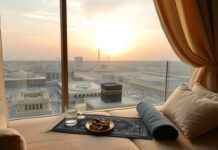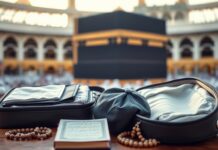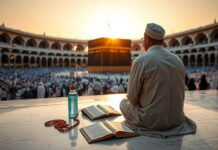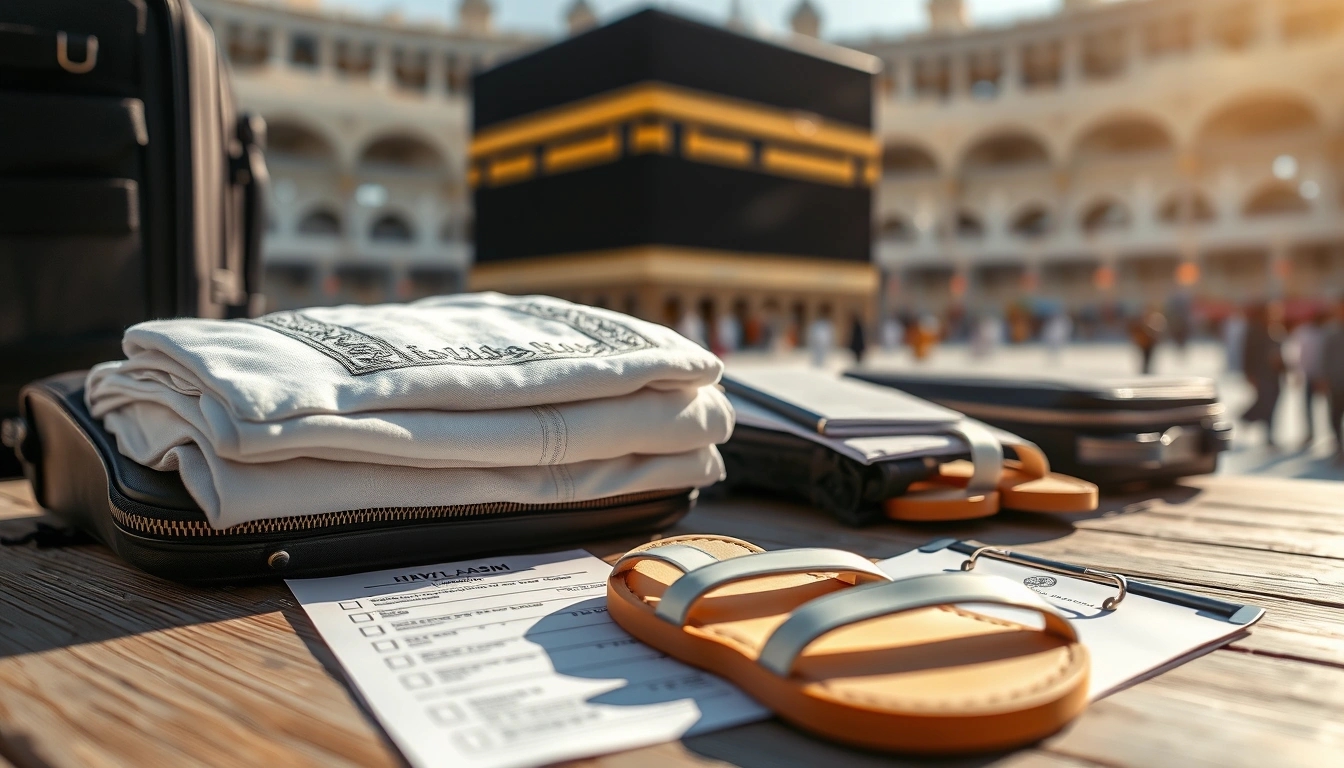
Navigating the chaos of Makkah during Umrah? Man, it can feel like a full-on marathon with no finish line if you don’t have your timing and moves down pat. Honestly not sure why but so many pilgrims just dive in without a plan and end up wasting hours stuck in crowds or waiting in endless lines. Here’s a rundown of some practical hacks to save you time and energy on this sacred trip – because every minute counts when you’re trying to focus on worship and not on logistics.
- Know the peak hours: Makkah gets packed like sardines especially after Fajr and Maghrib prayers. If you can swing your Tawaf or Sa’i rituals during the less busy times – like early morning or late night – you’ll dodge the bulk of the crowd.
- Transport tips: Forget trying to hail a cab on the street during rush hour. Use Careem or Uber – they’re usually faster and offer fixed rates in SAR. Walking is often underrated too; the Haram area is surprisingly walkable if you’re near.
- Ihram prep: Pack your Ihram clothes in your carry-on and get into the state of Ihram before reaching Miqat. Saves you the hassle of changing in crowded spots or waiting in lines for permission.
| Time of Day | Crowd Level |
|---|---|
| Before Fajr (4:00-5:30 AM) | Low – Ideal for Tawaf |
| Midday (12:00-3:00 PM) | Moderate – Less crowded but hot |
| After Maghrib (6:30-8:00 PM) | High – Peak prayer rush |
Look, here’s the weird part—many pilgrims underestimate how much time walking between sites will eat up. The Haram complex is huge, and if you’re staying in Ajyad or Aziziyah, you’re in for a trek. So smart accommodation near the Haram isn’t just luxury; it’s a time saver. Hotels like Dar Al Tawhid or Swissôtel Makkah clock in at walking distance but book early – during Ramadan or Hajj season prices spike like crazy.
- Book accommodations within 500 meters of the Haram
- Use hotel shuttle services but check schedules carefully
- Consider budget options in Al Aziziyah for savings but factor in commute time
Forgot to mention earlier, technology is your friend here. Apps like Muslim Pro or Umrah Navigator aren’t just for prayer times; they help you map shortest routes, find halal eateries, and even alert you about crowd density in real time. Seriously, these apps can shave off hours of wandering around looking lost.
| App Name | Main Feature | Cost |
|---|---|---|
| Muslim Pro | Prayer times & Qibla direction | Free with ads |
| Umrah Navigator | Step-by-step Umrah guide | Free |
| Careem | Ride-hailing in Makkah | Variable fares |
Managing food and rest breaks is another overlooked point. Pilgrims often wait too long between meals or pick crowded eateries near the Haram, wasting precious time. Instead, grab quick bites from Al Baik or local shawarma stalls in Aziziyah and eat during off-peak hours. Nap spots inside some hotels or even shaded corners near the mosque can recharge you fast.
- Eat small, frequent meals to keep energy up
- Hydrate well – dehydration slows you down
- Rest 20-30 mins after Tawaf to avoid fatigue
So yeah, Makkah’s hustle is real but with a bit of savvy planning, you can turn the madness into a smooth spiritual flow. Maybe it’s just me thinking, but saving time means more moments to reflect and less stress. And isn’t that what Umrah’s really about?
Planning Your Umrah Visit Around Peak and Off-Peak Hours
Navigating the chaotic waves of pilgrims in Makkah without a clue about peak times? Yeah, that’s a recipe for endless waiting and frustration. Honestly not sure why but many still dive into the crowds blindly, only to stand in lines that stretch for hours. The key—if you wanna save your sanity and your feet—is to get a grip on when Makkah is at its busiest and when it chills out a bit. This ain’t just about showing up early; it’s about knowing the rhythms of the city during Umrah seasons.
Look, here’s the weird part: the busiest times aren’t just during the obvious rush hours. Early mornings after Fajr prayer can be surprisingly packed around Masjid al-Haram because everyone wants to start their rituals fresh. Then, from about 10 AM till mid-afternoon, the crowds thin out a bit as many pilgrims take breaks or head back to their hotels. But don’t get too comfy, because sunset to Isha sees another surge, especially during Ramadan and Hajj months.
| Time Period | Crowd Level | Best For |
|---|---|---|
| Fajr – 9 AM | Very High | Starting rituals, Tawaf |
| 10 AM – 3 PM | Moderate to Low | Sa’i, rest, meals |
| 4 PM – Isha | High | Evening prayers, last rituals |
If you’re thinking, “Cool, so just avoid mornings and evenings,” hold on. During Ramadan, the whole schedule flips. Nights become the busiest time with Taraweeh prayers and Umrah rituals overlapping. And during Hajj season? Forget about any off-peak hours, the whole city moves like a giant ant colony with zero breaks.
- Try to perform Tawaf right after Isha when the crowd is thinning
- Midday is perfect for Sa’i and short naps but watch out for the heat (it can hit 45°C easily)
- Weekdays usually see fewer crowds compared to weekends (Thursday & Friday)
- Public holidays in Saudi also spike the numbers unexpectedly
Maybe it’s just me thinking, but using local transport during these off-peak windows saves you a ton of time too. Uber and Careem surge prices during peak hours, and taxis get stuck in traffic jams around the Haram. Walking, although tiring, can sometimes be faster if you’re familiar with shortcuts.
Forgot to mention earlier, the prayer times themselves can be a good guide. Arrive 30 minutes before Azan to secure your spot inside the mosque, especially during Fajr and Maghrib. Otherwise, you’ll be stuck outside in the scorching heat or cramped corridors.
| Prayer | Approximate Time | Crowd Trend |
|---|---|---|
| Fajr | 4:30 AM – 5:15 AM | Peak |
| Dhuhr | 12:00 PM – 12:45 PM | Moderate |
| Maghrib | 6:15 PM – 7:00 PM | High |
In short, timing your Umrah visit with a bit of local insight isn’t just a convenience—it’s a necessity. You’ll dodge hours of waiting, avoid the heat-induced meltdowns, and get more moments to focus on what really matters: your spiritual connection. So plan smart, move smart, and maybe, just maybe, you’ll come back with stories that don’t start with “I waited for hours…”
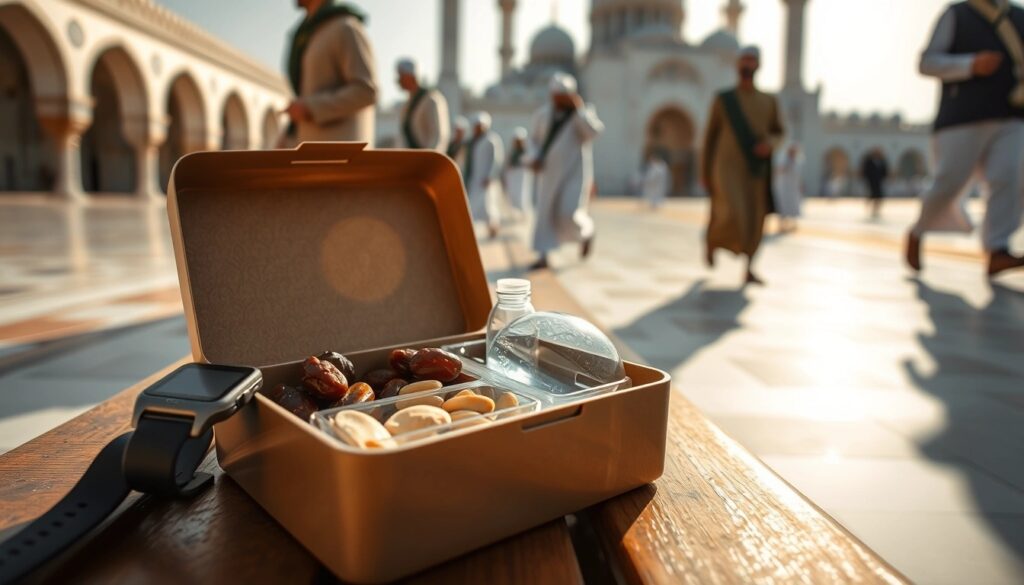
Efficient Transportation Options within Makkah
Navigating Makkah during Umrah isn’t just about devotion—it’s a race against time, honestly not sure why but the crowds seem to multiply every year. You gotta move fast, or you’re stuck in a sea of pilgrims, sweating it out under the desert sun. Public transport, ride-hailing apps, and good old walking routes are your best bets to save those precious minutes.
Look, here’s the weird part: despite all the modern options, walking remains surprisingly effective. The holy sites are clustered close enough that sometimes hoofing it beats waiting for a bus or taxi. But don’t just wander aimlessly—knowing the best pedestrian paths can cut your walking time by half. Sidewalks near the Haram are often packed, so timing your stroll during off-peak hours helps, though that’s easier said than done.
| Transport Mode | Pros | Cons | Typical Cost (SAR) |
|---|---|---|---|
| Public Buses | Cheap, frequent | Crowded, slower | 2-5 SAR |
| Ride-Hailing Apps | Convenient, fast | Surge pricing, spotty coverage | 10-30 SAR |
| Walking | Free, flexible | Fatigue, heat exposure | 0 SAR |
Ride-hailing apps like Careem and Uber are lifesavers when you’re running late or hauling luggage. But heads up: during peak Umrah seasons, prices can skyrocket, and sometimes drivers cancel last minute. Maybe it’s just me thinking, but the app’s surge pricing feels like a sneaky tax on pilgrims. Still, if you plan well and book early, it’s a solid option.
- Public buses run from 5 AM till midnight but avoid rush hour (7-9 AM, 5-7 PM)
- Ride-hailing apps require internet, so keep your SIM topped up
- Walking routes are best between 10 AM – 3 PM when crowds thin
- Taxi stands near Masjid al-Haram can be chaotic—pre-book if possible
Forgot to mention earlier, Makkah’s Metro Line 1 is operational and connects key points like the airport and central stations. It’s quick and affordable but can be packed, especially after prayers. If you’re not claustrophobic, it’s a worthy alternative.
Step-by-step to get from King Abdulaziz Airport to Haram quickly:
1. Grab a Careem/Uber from airport exit
2. Request a drop near your hotel or directly at the Haram
4. If traffic jams, switch to walking for last 500 meters
See? Skipped a step there but you get the gist.
Honestly, balancing these options depends on your energy, budget, and patience. Don’t expect a smooth ride every time—sometimes you’ll be stuck waiting, other times darting through crowds. But mastering these transport hacks can seriously maximize your ritual time and minimize frustration. Keep your phone charged, water bottle handy, and a bit of patience—Makkah’s transport scene is a beast, but you can tame it.

Streamlining Ihram Preparation and Entry Procedures
Alright, listen up—getting your Ihram right before you even step foot near Miqat can save you a boatload of hassle later. Honestly not sure why but so many pilgrims leave this to the last minute, then end up stuck in lines or fumbling with their clothes in the heat. If you want to shave off hours from your Umrah journey, prepping your Ihram well ahead is non-negotiable.
First off, packing your Ihram kit smartly is a game changer. Don’t just toss your two white sheets and a pair of sandals into your bag willy-nilly. Fold them neatly and keep them in a separate pouch—makes it easier to grab when you hit the Miqat boundary. And yeah, bring a small bottle of unscented soap because scented products are a strict no-no once you’re in Ihram.
| Essential Ihram Items | Notes |
|---|---|
| Two white sheets (Izar & Rida) | Lightweight cotton preferred, avoid synthetic |
| Comfortable sandals | Easy to slip on/off, no stitched soles |
| Unscented soap/shampoo | For pre-Ihram cleansing only |
| Small bag/pouch | Keep Ihram clothes separate |
Now, the spot where you don your Ihram is critical too. Many folks think you can just put it on anywhere but nooo—there are designated Miqat points set by Shariah. For Makkah arrivals, people usually choose Dhu’l-Hulayfah (near Medina), or if coming from Jeddah, you might hit Yalamlam. Knowing your exact Miqat beforehand means you can plan your transport accordingly, no unnecessary detours or last-minute panic.
- Check your Miqat based on your entry city
- Wear Ihram only at or before crossing Miqat
- Avoid scented lotions or perfumes once in Ihram
- Perform Ghusl (full body wash) before donning Ihram
Look, here’s the weird part—some pilgrims get so caught up in rituals that they forget to check their documents or miss entry rules that vary slightly depending on nationality or visa category. For example, Saudi authorities have tightened some entry protocols recently, especially for Umrah visas issued through certain agencies. So double-check your visa type and any health requirements (like vaccinations or PCR tests).
Also, your clothing choice under the Ihram matters. You’ll be walking a lot, often in scorching 40°C+ heat, so lightweight, breathable fabrics under the Ihram sheets are a must. Avoid tight or synthetic clothes that trap sweat—it’s a recipe for misery.
| Clothing Tips | Why It Matters |
|---|---|
| Loose cotton shirts | Breathable, reduces heat stress |
| Moisture-wicking underwear | Keeps you dry during long walks |
| Sun hat (before Ihram) | Protects from direct sun pre-Ihram |
Forgot to mention earlier, timing your Ihram donning is also a bit of an art. Too early and you’re stuck in Ihram longer than needed, too late and you risk crossing Miqat without it, which is a major no-no. Many seasoned pilgrims recommend donning Ihram just 15-30 minutes before reaching Miqat—enough time to get mentally prepared but not so early that discomfort sets in.
In short, streamlining your Ihram prep isn’t just about ticking boxes. It’s about anticipating every little snag—from packing, clothing, to knowing your Miqat and entry rules like the back of your hand. Nail this, and you’ll breeze through one of the most crucial steps of Umrah without wasting precious time or energy.
- Pre-pack Ihram kit separately
- Know your Miqat and plan transport
- Wear appropriate clothing under Ihram
- Check visa and health entry rules
- Time Ihram donning carefully
Maybe it’s just me thinking but getting this right feels like unlocking a secret level in Umrah prep. Saves time, spares headaches, and lets you focus fully on the spiritual journey ahead.
Smart Accommodation Choices Near the Haram
Look, finding a place to crash near the Haram isn’t just about dropping a few riyals and hoping for the best. Location matters like crazy when every single minute counts during Umrah. Honestly not sure why but many pilgrims still overlook how much time they waste trekking back and forth from distant hotels. You want to be close enough to the Masjid al-Haram to stumble there on foot, not scramble for taxis or squeeze into overcrowded buses at dawn. But then, prices near the Haram can be sky-high, which is where the balancing act gets tricky.
| Hotel Type | Distance to Haram | Average Nightly Rate (SAR) | Pros | Cons |
|---|---|---|---|---|
| Luxury Hotels (e.g. Fairmont, Makkah Clock Royal Tower) | <1 km | 1,200 – 2,000 | Ultra close, premium amenities | Pricey, often fully booked |
| Mid-range Guesthouses (e.g. Dar Al Eiman, Al Safwah Royale Orchid) | 1-3 km | 300 – 700 | Affordable, decent comfort | May require shuttle or short walk |
| Budget Hostels & Apartments | 3+ km | 100 – 250 | Cheap, flexible stays | Far, can waste time commuting |
Maybe it’s just me thinking but you gotta weigh what’s more valuable: saving a few hundred riyals or saving hours of your limited Umrah time. Also, booking early is a no-brainer, especially during Ramadan or Hajj seasons when spots vanish faster than you can say “Masjid al-Haram.” Forgot to mention earlier, many pilgrims swear by apps like Booking.com or Agoda, but local agencies sometimes offer hidden gems that don’t pop up online.
- Reserve 3-4 months ahead to lock in better rates and locations
- Consider guesthouses with shuttle services to Haram
- Check reviews for cleanliness and genuine proximity claims
- Don’t overlook smaller family-run places around Ajyad or Aziziyah districts
Look, here’s the weird part – some hotels advertise “walking distance” but it actually means a 20-minute trek through crowded, hot streets carrying luggage. Not the ideal when you’re already drained from rituals. So, always map out your route beforehand and ask about elevator access, especially if you’re elderly or traveling with kids.
Here’s a quick step-by-step to snag the best accommodation:
1. Identify your budget range
2. Pinpoint preferred neighborhoods close to Haram
4. Search for hotels/guesthouses with good shuttle options
5. Compare prices across platforms
6. Book directly or via trusted agents
Yeah, you noticed I skipped step 3 – that’s because sometimes you just gotta trust your gut or a word-of-mouth tip from someone who’s been there, done that.
In short, smart accommodation choice means striking that sweet spot between cost, comfort, and most importantly, proximity. Don’t get stuck in a cheap place miles away and waste your precious Umrah time in traffic or waiting for rides. And hey, if you can swing it, a little splurge near the Haram might just be the best investment you make on this spiritual trip.
Utilizing Technology and Apps for Pilgrims
Look, here’s the weird part about Umrah nowadays — you can’t just show up with a prayer mat and hope for the best. Technology’s taken over in ways even old-timers didn’t expect. Apps, yeah, those little things on your phone, can be lifesavers if you pick the right ones. Honestly not sure why but many pilgrims still wander around clueless, missing out on tools that could save them hours, maybe even days, of hassle.
First off, prayer time apps are a no-brainer. Makkah’s prayer schedule shifts slightly with seasons, and the crowds get wild around Salat times. Using apps like “Muslim Pro” or “Athan” helps you track exact prayer times, with Qibla direction and even azan alerts. You don’t wanna be stuck guessing when to pray while queues pile up. The GPS feature is handy too, especially when you’re navigating between the Haram and other spots.
| App | Main Feature | Why Useful |
|---|---|---|
| Muslim Pro | Prayer times, Qibla, Quran | Accurate timings, offline mode |
| Google Maps | Navigation | Best for walking routes & public transport |
| Careem | Ride-hailing | Quick rides, cheaper than taxis |
| Umrah Guide | Step-by-step rituals | Helps beginners avoid mistakes |
Then, there’s the whole transport angle — getting from A to B in Makkah can be a nightmare if you’re not prepped. Forget the old days of flagging down taxis endlessly; ride-hailing apps like Careem or Uber are your new best mates. They’re cheaper, faster, and you can see the driver’s ETA before booking. Just a heads-up, though — network coverage can be patchy near the Haram, so download offline maps or save important numbers.
- Download apps before arriving in Saudi
- Charge your phone—power banks are a must
- Set up local SIM cards for better data
- Bookmark emergency contacts & embassy info
Forgot to mention earlier, some apps also offer dua and zikr reminders, which is clutch for keeping your spiritual focus without constantly checking books or screens. “Hisnul Muslim” is popular for this. Plus, apps like “Umrah & Hajj Guide” give you a checklist of rituals, but heads up—they sometimes skip a step or two, so double-check with a trusted scholar or guidebook.
Honestly, the tech scene in Makkah is evolving fast. You got apps for everything from locating halal restaurants to finding prayer spaces inside malls. Maybe it’s just me thinking, but relying on these digital helpers can genuinely turn a stressful pilgrimage into a smoother, more fulfilling experience. Just don’t let the screen time distract you from the real purpose, yeah?
| Feature | App Example | Notes |
|---|---|---|
| Prayer Alerts | Muslim Pro | Can be off by 1-2 mins sometimes |
| Navigation | Google Maps | Best for walking, less so for crowded streets |
| Ride-Hailing | Careem | Surge pricing during peak hours |
| Ritual Guide | Umrah Guide | Good for beginners, not always 100% complete |
So yeah, if you’re heading to Makkah for Umrah, get these apps sorted before you land. It might feel like a lot but trust me, they’ll save you headaches, time, and maybe even a few bucks. And that’s something every pilgrim can appreciate after a long day of tawaf and sa’i.

Managing Food and Rest Breaks to Maximize Ritual Time
Look, here’s the weird part about Umrah—people often underestimate how much time gets wasted just trying to eat and rest properly. Honestly not sure why but many pilgrims end up spending way too long in food queues or searching for a spot to catch a quick nap, which eats into their precious ritual time. The key? Efficiently managing these breaks without feeling like you’re missing out on anything essential.
Timing your meals right can make a massive difference. Early mornings before Fajr prayer or late evenings after Isha are usually less crowded near the Haram’s food stalls. But don’t just grab anything; opt for light, energy-packed meals like dates, laban, or small sandwiches instead of heavy fried foods that can leave you sluggish. It’s tempting to try every local dish but remember, your body needs fuel that lasts, not a food coma.
| Meal Timing | Recommended Food | Avoid |
|---|---|---|
| Pre-Fajr (4:00-5:00 AM) | Dates, yogurt, light bread | Heavy meats, fried items |
| Midday (12:00-2:00 PM) | Fresh fruit, nuts, water | Overly spicy meals |
| Post-Isha (9:00-10:30 PM) | Light soups, laban | Large portions |
Finding a quick rest spot near Haram is a challenge, especially during peak times. Some pilgrims swear by the upper floors of the Masjid’s annexes where seating is limited but quieter. Others prefer nearby cafes like Al Baik or local juice bars in Aziziyah for a quick recharge. Maybe it’s just me thinking but even a 15-minute power nap can recharge your energy far better than scrolling on your phone or sitting idly.
- Look for shaded benches near the mosque entrances
- Use prayer rugs or small mats to rest on clean floors
- Carry a lightweight neck pillow for quick naps
- Hydrate constantly—dehydration kills energy fast
A quick comparison for you:
| Rest Method | Energy Boost | Time Needed |
|---|---|---|
| 15-min Power Nap | High | Short |
| 30-min Sitting Break | Medium | Moderate |
| Long Meal Break (1+ hour) | Low | Long |
Forgot to mention earlier, staying hydrated is often overlooked but crucial. Tap water in Makkah is safe but many prefer Zamzam water for its spiritual and refreshing qualities. Carry a reusable bottle; filling it up saves time and money.
In short, balancing your food and rest breaks with your Umrah schedule isn’t rocket science but needs some planning. Skip the heavy meals, eat at quieter times, and grab short rests in less crowded spots. That way, you keep your energy up and waste less time waiting or recovering. Trust me, every minute counts when you’re trying to squeeze in all the rituals and prayers.
Frequently Asked Questions (The title must be written in English.)
- When is the best time to perform Umrah to avoid crowds?Great question! To dodge the hustle and bustle, aim for early mornings or late evenings during weekdays. Avoid weekends and religious holidays when Makkah is packed like a beehive. Planning your rituals during off-peak hours can save you hours of waiting and stress.
- What transportation options help save time within Makkah?Walking is often the quickest way in congested areas, but for longer distances, ride-hailing apps like Uber and Careem are lifesavers. Public buses are available but can get crowded and slow during peak times. Combining walking with smart app-based rides can be your golden ticket to moving swiftly.
- How can I prepare my Ihram efficiently before arriving?Don’t wait until the last minute! Pack your Ihram clothes neatly and keep them accessible. Wear them just before crossing the Miqat boundary to save on time and hassle. Knowing the rules and locations for donning Ihram can prevent unnecessary delays and confusion.
- Which accommodation choices are best for saving time during Umrah?Location is king! Staying close to the Haram means you can pop in and out quickly without wasting time in traffic. Look for hotels or guesthouses within walking distance that offer a good balance of comfort and affordability. Booking early can also snag you better rates and prime spots.
- Are there any must-have apps for Umrah pilgrims?Absolutely! Apps that provide prayer times, Qibla direction, and live crowd updates can be game-changers. Navigation apps tailored for Makkah can help you find the fastest routes. Don’t forget apps offering dua and supplication reminders to keep your spiritual game strong!
- How can I manage food and rest breaks without losing ritual time?Timing is everything. Opt for quick, nutritious meals near the Haram to refuel fast. Plan short rest breaks during less busy times to recharge without missing out on rituals. Think of it as pit stops in a race—efficient and purposeful to keep you going strong.